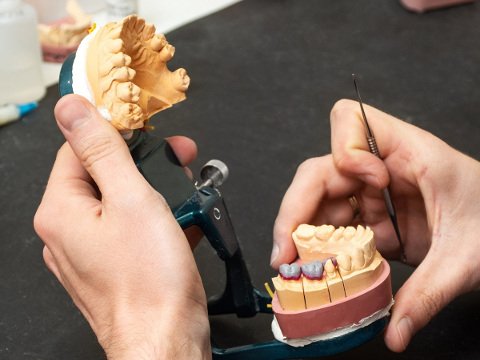
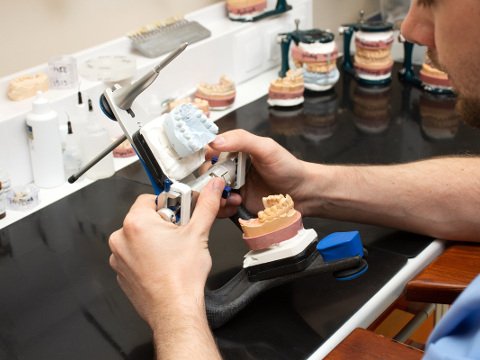
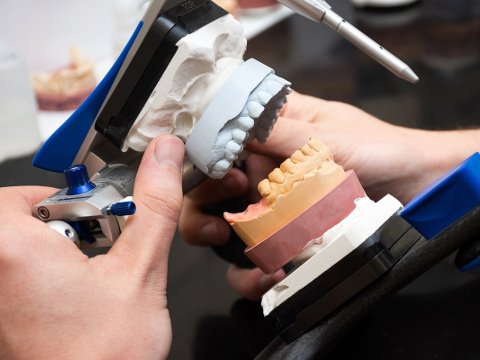
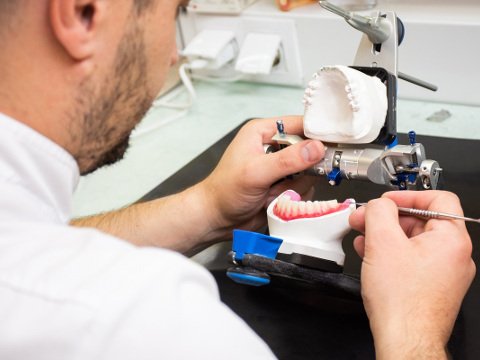
Зуботехническая
лаборатория
лаборатория






In the vast and ever-expanding universe of typography, where trends oscillate wildly between the exuberant curves of retro scripts and the sterile precision of modern minimalism, certain typefaces stand as immutable pillars of design history. Among these, the "Roman" classification remains the bedrock of Western text. However, specific iterations often spark curiosity and confusion among designers and enthusiasts alike. One such iteration is the .
A staple in the trophy and gift industry, this style uses three parallel lines to form each letter stroke, creating a bold, elegant look that mimics the classic weight of Times New Roman .
Low; often described as "banal" or overused in digital spaces. When to Use Alternatives
In the vast and ever-expanding universe of typography, where trends oscillate wildly between the exuberant curves of retro scripts and the sterile precision of modern minimalism, certain typefaces stand as immutable pillars of design history. Among these, the "Roman" classification remains the bedrock of Western text. However, specific iterations often spark curiosity and confusion among designers and enthusiasts alike. One such iteration is the .
A staple in the trophy and gift industry, this style uses three parallel lines to form each letter stroke, creating a bold, elegant look that mimics the classic weight of Times New Roman .
Low; often described as "banal" or overused in digital spaces. When to Use Alternatives
 Контакты
 Режим работы
 Как добраться