Artioscad Tutorial -
ArtiosCAD is used to design folding cartons, corrugated boxes, displays, and POS/POP structures. It outputs:
Use the (or O ):
Memorize these immediately to look like a pro: artioscad tutorial
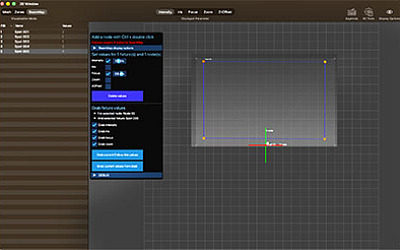
Symptom: The 3D fold looks perfect, but physically the flaps crash. Fix: You forgot to set "Collision Detection." In the 3D Viewer, click the gear icon and turn to 0.02 inches . Red lines will appear where the box touches itself. ArtiosCAD is used to design folding cartons, corrugated
Symptom: The box fits perfectly in the 3D software but is too tight in real life because the board is thick. Fix: When setting up the file, measure the physical board. B-Flute is 1/8". C-Flute is 5/32". Enter the exact thickness. Red lines will appear where the box touches itself
However, the learning curve for ArtiosCAD is famously steep. Unlike Adobe Illustrator, where you draw curves, ArtiosCAD uses "Intelligent Geometry." You don’t just draw lines; you define how cardboard folds, glues, and bends.