OpenRGB's plugin system allows for limitless functionality


OpenRGB provides an expansive plugin interface allowing a wide variety of additional functionality to be added by plugins. Plugins can add additional functionality to the OpenRGB user interface and take control of your OpenRGB devices to provide synchronized effects, use your RGB devices as indicator lights for hardware statistics, integrate with third party lighting control software, schedule OpenRGB lighting profile changes, and more.


OpenRGB Effects Plugin

Synchronize your setup with amazing effects

OpenRGB Effects Plugin

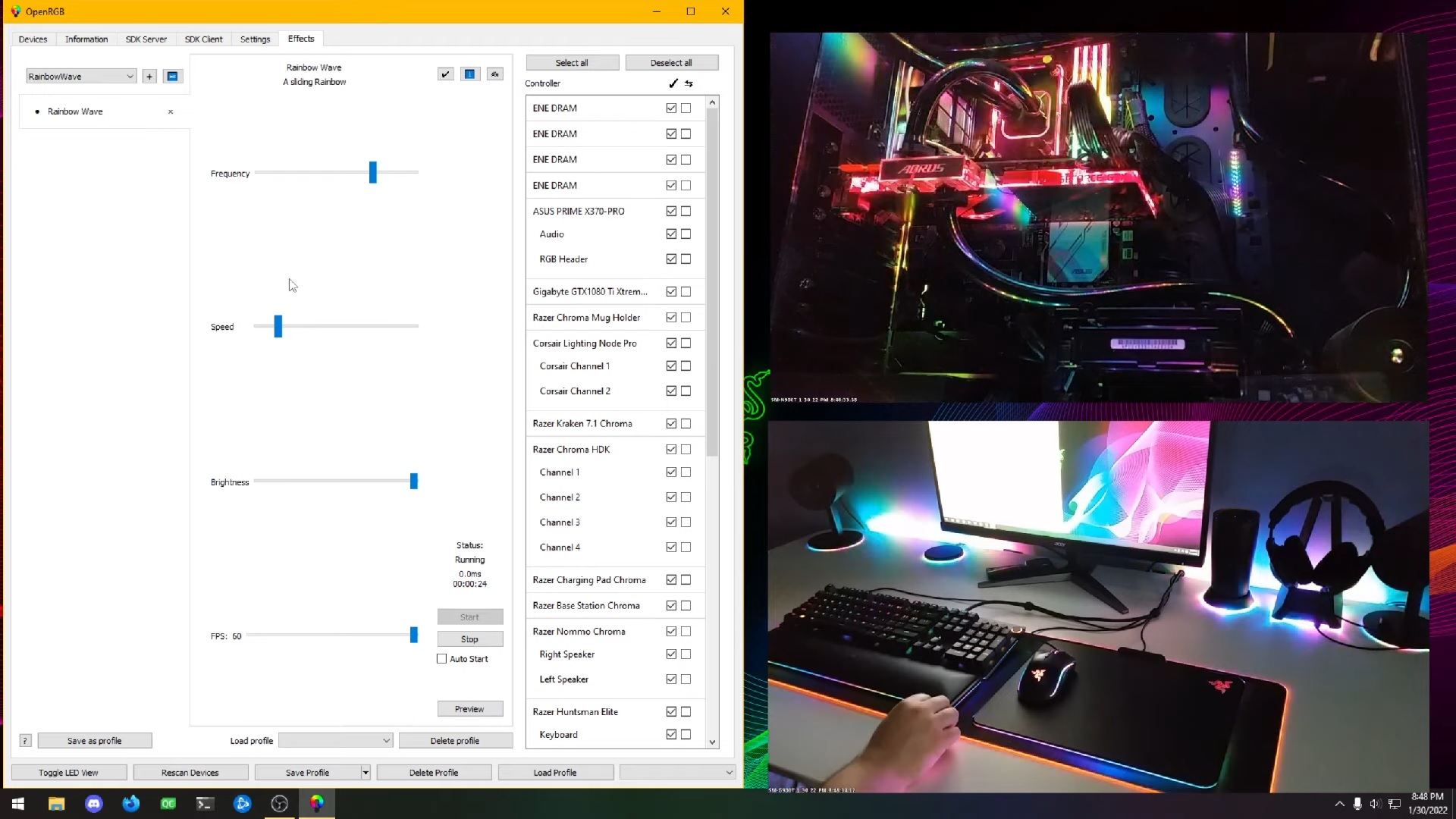
The OpenRGB Effects Plugin provides an extensive list of custom effects that can be synchronized across all devices that support Direct Mode. Many standard effects are available such as Rainbow, Visor, Breathing, and more. Advanced effects include several audio visualizations, Ambilight, GIF player, and a Shader renderer for using GLSL shaders as RGB effects.
More Info and Releases
OpenRGB Visual Map Plugin

Lay out your devices however you like

OpenRGB Visual Map Plugin

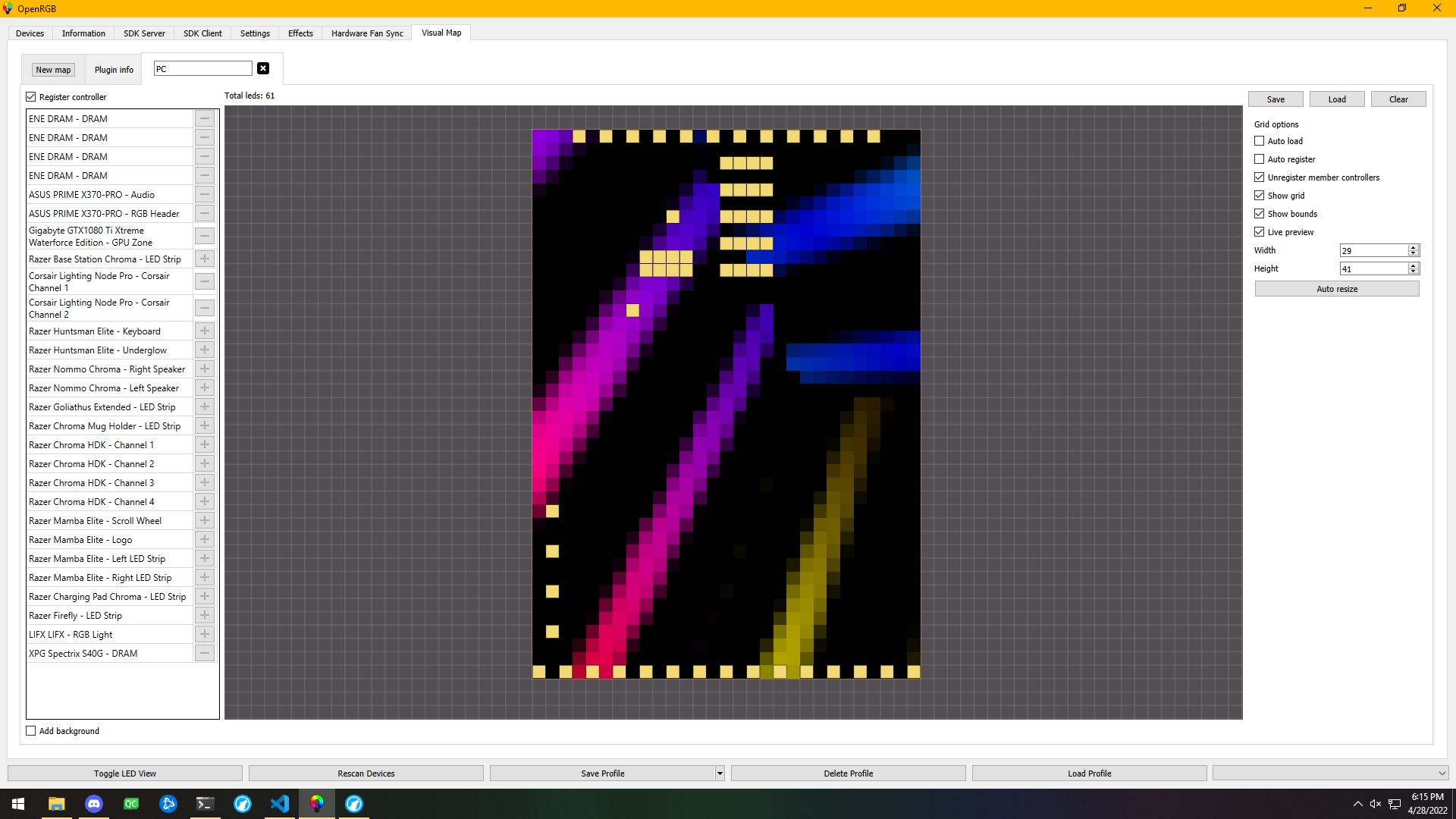
Normally, OpenRGB effects engines apply patterns one device at a time. With the Visual Map Plugin, you can combine one or more devices into a custom grid, allowing incredible effects to shine across your entire setup as one unified display.

More Info and Releases
OpenRGB Hardware Sync Plugin

Visualize system statistics with RGB

OpenRGB Hardware Sync Plugin

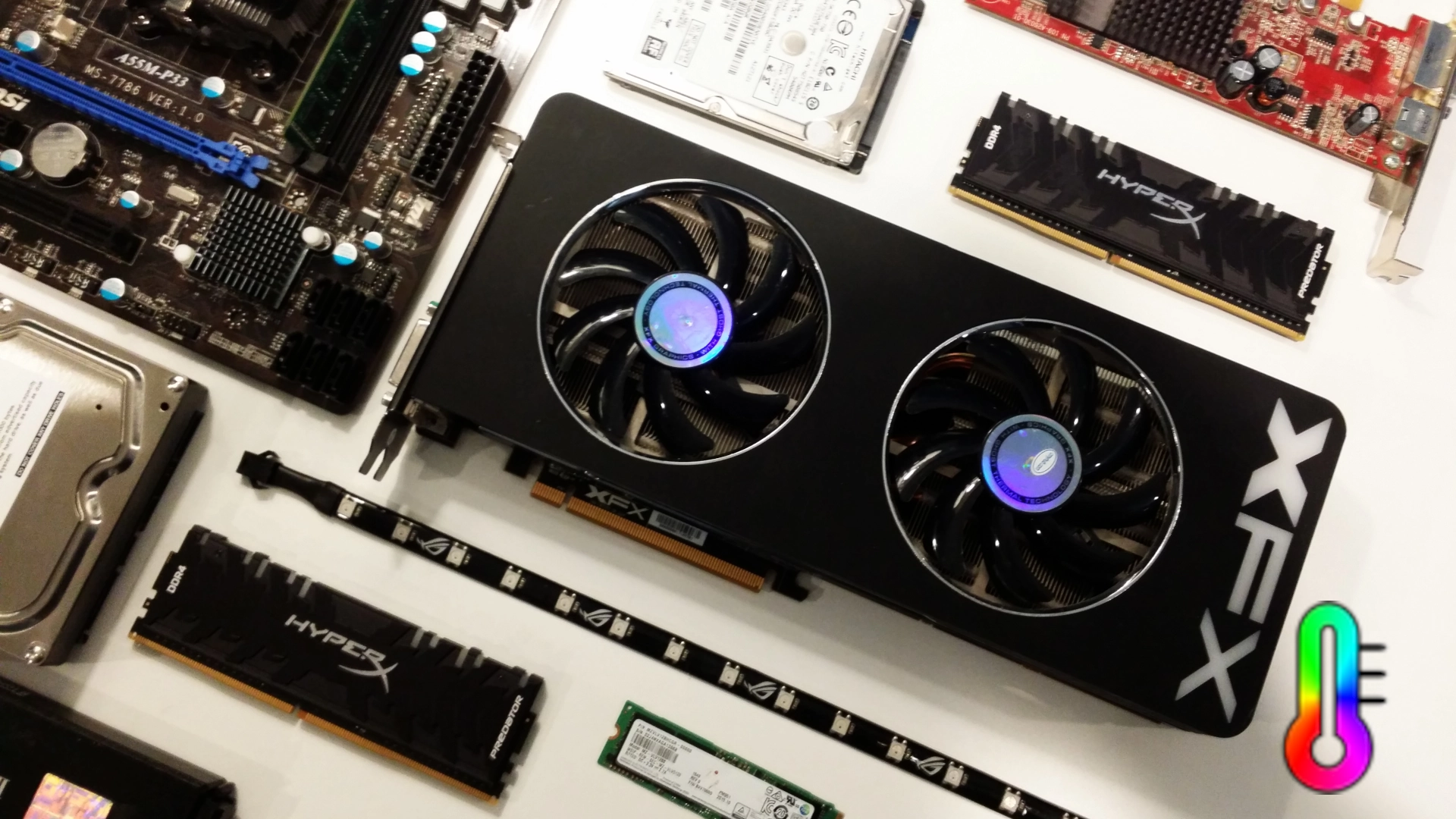
Want to keep an eye on your CPU and GPU temperatures while you're in game? The Hardware Sync Plugin will let you know if your temperatures are too high by changing the color of your RGB. Many more system parameters are supported as well, and multiple devices can indicate multiple measurements.

More Info and Releases
OpenRGB Fan Sync Plugin

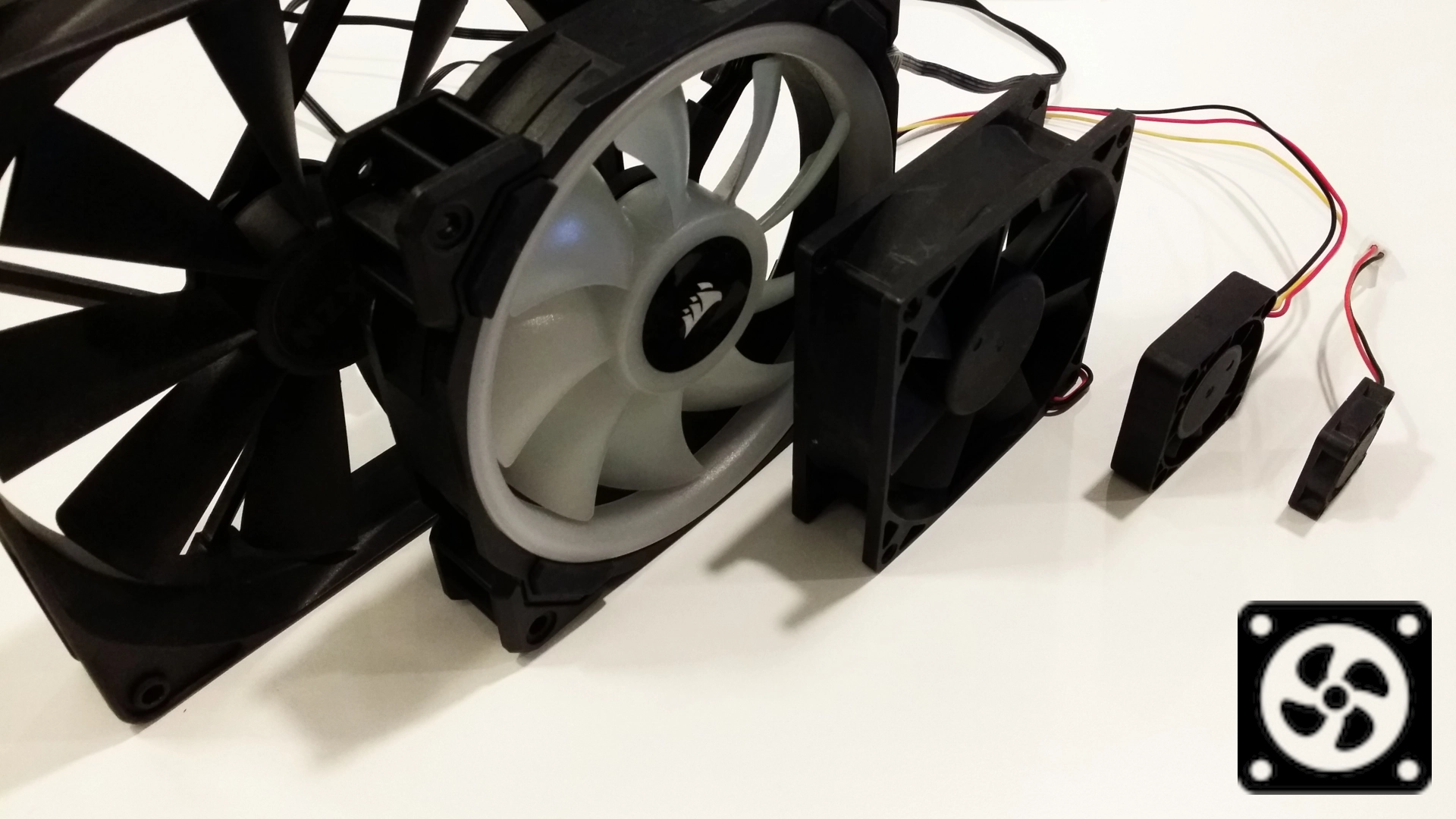
Integrate fan control into OpenRGB

OpenRGB Fan Sync Plugin

Controlling all your RGB in one place is great, but what about your fan speeds? The Fan Sync Plugin takes care of that. Using the same backend as the Hardware Sync Plugin, the Fan Sync Plugin lets you map one or more system parameters to control fan speeds, including custom fan curves.

More Info and Releases

Tower Factory Upd Link

Before any steel is cut, a Digital Twin of the entire tower is created using Building Information Modeling (BIM). This model contains every pipe, stud, and screw. Because the factory requires absolute precision—modules must fit within 2mm tolerances—AI algorithms optimize the production schedule, ordering materials and programming robots automatically.

Here’s a structured feature outline for a fictional game titled , blending tower defense, automation, and resource management. Tower Factory

Mastering the Grind: A Guide to Success in Tower Factory If you’ve spent any time with Tower Factory , you know it’s more than just a typical tower defense game Before any steel is cut, a Digital Twin

For centuries, the image of a skyscraper under construction has remained largely the same: a steel skeleton rising from a muddy pit, wrapped in scaffolding, swarming with workers exposed to the elements, and taking years to complete. But a quiet—and some would say radical—transformation is underway. Welcome to the era of the . Here’s a structured feature outline for a fictional

A key differentiator for Tower Factory is its permanent progression system. Players earn at the end of each run, which can be spent on a meta-progression tree to unlock new buildings and permanent stat boosts.

: The challenge lies in balancing resource throughput with defensive capabilities. As enemies get stronger, your "factory" must become more efficient to produce high-tier towers in time.