Papa's Games
Papas Games Free Online
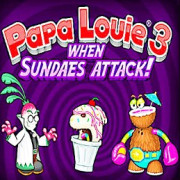
Welcome to the world of Papa's Games where you become a chef and serve tasty treats, foods, drinks, and desserts for customers! Get ready for cooking and restaurant management challenges!

The tree unspooled. Its trunk became a serpent of raw data, eyes made of error messages. It lunged.
What followed was a nightmare Zelda dungeon that didn’t exist in any official guide. Rooms looped in impossible geometry. Keys opened doors to earlier save files of Leo’s own childhood—moments he’d forgotten: learning to ride a bike, his grandmother reading him a story, the last time he saw his father. The ROM was not just a game. It was a memory leak. It had absorbed fragments of every player who’d ever booted it on an emulator, preserving their ghosts as NPCs. the legend of zelda gba rom
Leo tried to speak, but his character only grunted—the original GBA soundfont. So he drew his sword, a blunt pixel-blade. The tree unspooled
: Developed by Capcom, this title introduces Link to the Minish world. Using a magical talking hat named Ezlo, Link can shrink to microscopic size to solve puzzles and explore hidden areas. What followed was a nightmare Zelda dungeon that
Developed by Capcom, this title is frequently cited as one of the most visually stunning games on the system. Its central mechanic—shrinking Link to a microscopic size—offered a fresh perspective on Hyrule. Because physical cartridges have become expensive collectors' items, many fans turn to ROMs to experience its unique "Kinstone" fusion system and the origin story of the villain Vaati. The Role of ROMs and Emulation
This release brought the SNES masterpiece to a handheld format. While the solo campaign remained a benchmark for adventure design, the addition of Four Swords
Furthermore, the ROM allows access to content that might have been region-locked. The European and Japanese versions of the game featured slight differences and DLC-style unlocks via the now-defunct E-Reader. For game archivists, maintaining specific regional ROM versions is vital to keeping this history alive.
© 2026 ANG Stage — All rights reserved.