
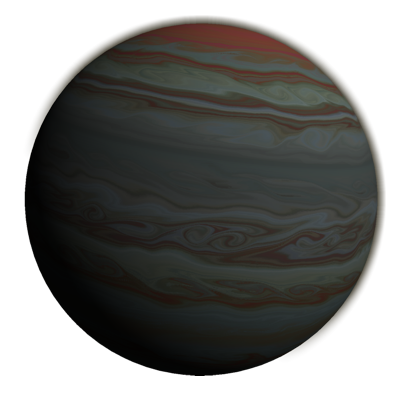
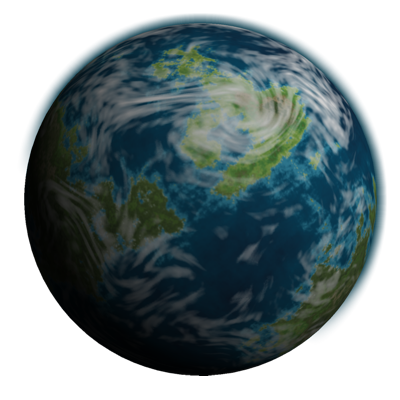
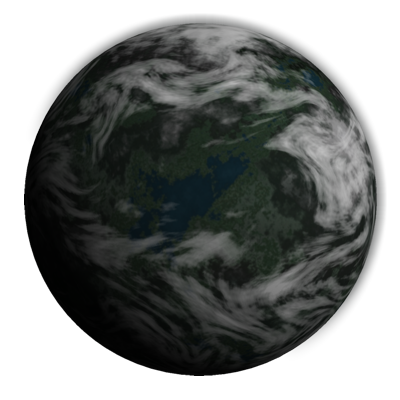
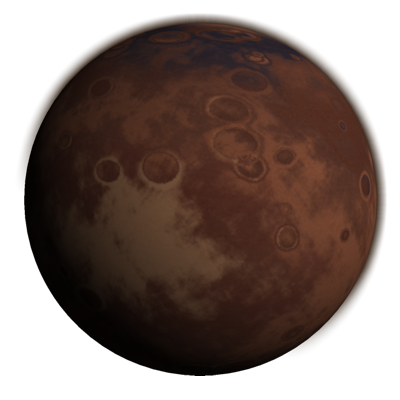
Released on November 14, 2015 version 2.0 includes new higher resolution colour themes for your planets as well improvements to memory use, speed, and cloud generation.
Textures for Planets is a free program to bulk generate dozens of unique planetoid wrapping textures for planets, asteroids, and moons.
Out of the box templates include fungal, icy, oceanic, terrestrial, rocky, volcanic, and more.
Download royalty free starter collections of textures for use in your projects.
Furthermore, some professors argue that the book is too "math heavy" for pre-med students who need only a survey of analysis. For them, a shorter text might suffice. But for a dedicated chemist, the math is the point.
Let’s dig into what makes this volume the undisputed anchor of quantitative and qualitative analysis. skoog and west fundamentals of analytical chemistry
The enduring success of Fundamentals of Analytical Chemistry stems from its balanced approach. It bridges the gap between classical "wet chemical" methods and contemporary instrumental techniques. For students, it provides a logical progression from the basic concepts of error analysis and stoichiometry to the complex physics behind mass spectrometry and chromatography. This structural clarity ensures that learners develop a strong foundation in "why" a measurement works before mastering "how" to perform it. Furthermore, some professors argue that the book is
No analytical course is complete without chromatography. The book covers gas chromatography (GC), high-performance liquid chromatography (HPLC), and capillary electrophoresis with a balance of theory (plate theory, van Deemter equation) and application. Let’s dig into what makes this volume the
It admits that analytical chemistry is hard. It demands that you do the math, respect the uncertainty, and verify your results. In return, it gives you a skill set that never expires—whether you are running a pH meter in 1975 or programming an autosampler in 2025.